

Taking care of your health doesn’t have to mean overhauling your life. Sometimes the most powerful shifts begin not with a drastic change, but with a quiet decision. A small act. A gentle habit that says, “I’m listening to what I need.”
These practices aren’t about intensity—they’re about consistency. Each one is an invitation: to come home to your body, to meet yourself with kindness, and to trust that even the smallest acts of care can lead to lasting change.
1. Start Your Day with a Moment That’s Just for You

Mornings can feel rushed, reactive, and noisy—often before we even get out of bed. But if you can claim even sixty seconds for yourself before diving into the day, you shift the tone entirely.
Try this: before checking your phone, before brushing your teeth, pause. Breathe deeply. Notice how your body feels—without judgment. Maybe place your hand over your chest. Whisper something kind to yourself, like “I’m here.” Or simply let the silence stretch a little longer.
This isn’t about productivity. It’s about presence. That first moment of stillness tells your nervous system, “You’re safe.” And that simple message can ripple through everything that follows.
2. Drink Water Before Your Coffee

Your body is about 60% water, and after 7–8 hours of sleep, it wakes up a little thirsty. Caffeine, while helpful in many ways, is also mildly dehydrating. So before your first cup of coffee or tea, drink a full glass of water—room temperature or warm if that feels better.
You might even think of it as a quiet morning ritual. Add a slice of lemon, use your favorite glass, stand by a window while you sip. This small gesture supports digestion, kickstarts your metabolism, and helps your mind feel clearer and more alert.
It’s a simple kindness—like watering a plant before it sees the sun.
3. Eat One Screen-Free Meal a Day

We’re often disconnected from our meals—eating in the car, at our desks, or with a screen in front of us. It’s easy to forget that eating is more than fuel. It’s communication. Between you and your body. Between you and the present moment.
Choose just one meal each day to experience without distractions. It could be breakfast in quiet, lunch on your balcony, or dinner with a loved one without the TV.
Notice the textures, colors, and flavors. Pay attention to when you feel full or satisfied. You may find you eat slower, feel calmer, and enjoy the experience more. Over time, this simple habit can support digestion, reduce stress, and help you reconnect with your own hunger and fullness cues.
4. Go to Bed Just 15 Minutes Earlier

Sleep isn’t just rest—it’s restoration. It’s when your brain processes memories, your body repairs tissue, and your hormones reset. Yet it’s often the first thing we sacrifice when life feels busy.
If overhauling your sleep schedule feels overwhelming, start small. Go to bed just 15 minutes earlier. Choose a time that feels realistic and build a simple nighttime routine around it—dim lights, stretch gently, journal, read something soft.
You don’t have to fall asleep right away. The goal is to create space for rest. A signal to your body: The day is done. You are safe to let go.
And over time, that extra quarter hour becomes a gift your body remembers.
5. Speak to Yourself with More Kindness

We all have an inner voice. For many of us, that voice is harsh—critical, impatient, unforgiving. But you can begin to change the tone, gently, one phrase at a time.
Start by noticing: how do you talk to yourself when you’re tired, behind, or struggling?
Then, try shifting the narrative. Instead of “I messed that up,” try “That was hard—but I’m learning.” Instead of “I should be doing more,” say, “I’m doing the best I can with what I have today.”
These rewrites may feel unfamiliar at first. But they matter. Kind self-talk lowers stress hormones, strengthens emotional resilience, and helps rewire how you respond to challenge.
You deserve to be spoken to with the same grace you offer others.
6. Get a Bit of Natural Light in the Morning

Morning light plays a big role in regulating your circadian rhythm—the internal clock that influences your sleep-wake cycle, energy levels, and even hormone balance. Exposing your eyes to natural light within an hour of waking helps your body produce cortisol (the “get up and go” hormone) at the right time, while helping regulate melatonin for better sleep later.
Ideally, go outside for 5–10 minutes. Even if it’s cloudy, the natural light is still powerful. Take a short walk, step out on the balcony, or sit by a sunny window with your morning drink.
This small habit not only sets the rhythm for your day—it improves your mood, increases alertness, and gently reminds your body: you’re part of something bigger than your to-do list.
7. Breathe Out Longer Than You Breathe In

When stress shows up—whether it’s a busy day, an anxious thought, or a painful memory—your body often responds before your mind does. Your breath becomes shallow. Your heart rate rises. Your muscles tense. You’re in survival mode.
But breath can also be your way out.
Next time you feel tense, try this:
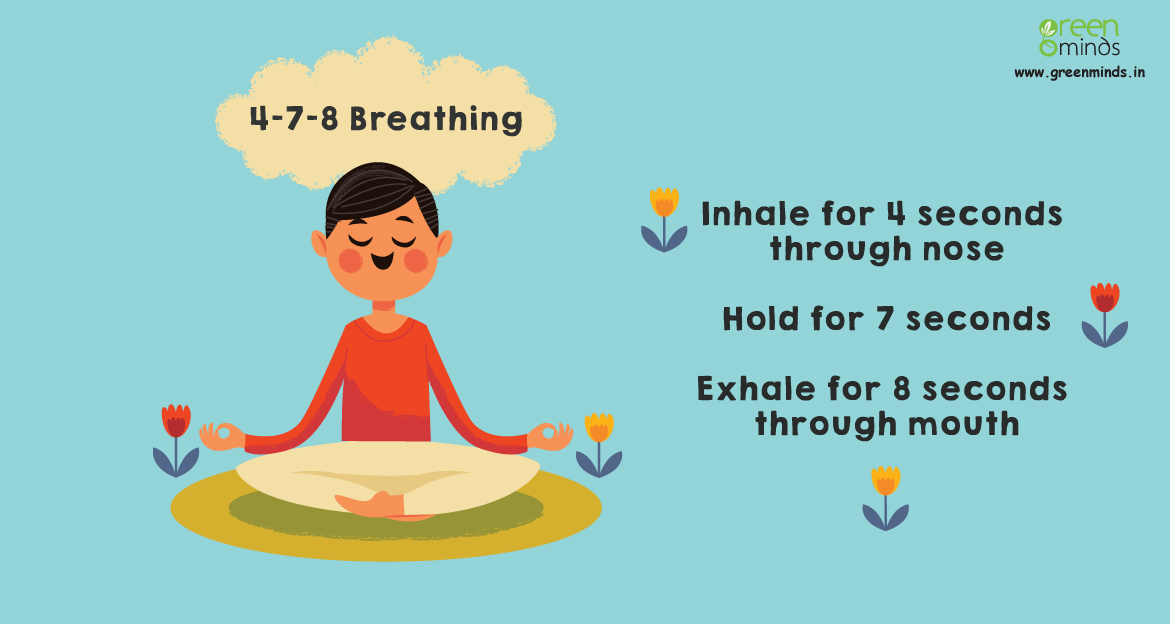
Breathe in for 4 counts.
Breathe out for 6.
Do this slowly, gently, a few times in a row.
This extended exhale activates your parasympathetic nervous system—the part responsible for calming you down. It’s a signal that says, “The danger has passed. You’re safe now.”
And the more often you return to your breath, the more your body will remember how to soften—again and again.
None of these habits are dramatic. You won’t find them trending. But they work—because they respect your pace, your limits, and your humanity.
There is no perfect version of you waiting on the other side of burnout. There is only the version who chooses—gently, bravely—to care. To pause. To try again.
Start where you are. Choose one thing. Let it be enough.
And trust that small things, done with love, will always carry you farther than force.

Phoebe Chi, MD
Dr. Phoebe Chi is a physician writer and the managing editor of Health + Inspiration, where she seeks to inform, uplift, and empower through the artful intersection of medicine and meaning. She is the author of Being Empowered for a Healthy Heart: A personal guide to taking control of your health while living with chronic conditions, a poetry-infused health guide designed to support those living with chronic conditions. She is also the founder of Pendants for a Cause, a nonprofit initiative dedicated to raising funds to fight illness, provide care, and bring awareness to medically vulnerable communities around the world.
Categories: Health & Wellness, Health Essentials, Health First
![You Are Allowed to Choose Peace [a poem]](https://i0.wp.com/healthinspiration.org/wp-content/uploads/2026/09/pexels-photo-580871.jpeg?fit=1200%2C800&ssl=1&resize=40%2C40)

![Mental Illness [a poem]](https://i0.wp.com/healthinspiration.org/wp-content/uploads/2021/01/mental-illness-poem-bernard-Demaere.jpg?fit=922%2C456&ssl=1&resize=40%2C40)

![Code Blue [a poem]](https://i0.wp.com/healthinspiration.org/wp-content/uploads/2015/02/arrest1.jpg?fit=1200%2C266&ssl=1&resize=40%2C40)




A great blog. Thank you for sharing!
Loved this! A great reminder that small, consistent habits often create the biggest health changes over time. Simple but powerful advice—thank you for sharing!
Thank you for reading! 🌷
Absolutely lovely post ! Gives the body a head start for the day. Thank you !
Beautiful post. Thank you!